
Snapchat is still the most undervalued social marketing channel.
You don't understand how to tap into ‘Snapchat’ audience psychology. Not to mention you don’t have an answer when your CFO questions campaign revenue.
This gap in Snapchat campaign tracking is what really kills the faith in the platform.
You spent $8,000 on ads last month. Analytics look solid: 2.3 million impressions, 47,000 swipe-ups, decent engagement rates.
But your CRM tells a different story. Conversations are listed as: "Website," "Direct," "Social Media - Unknown."
Snapchat drove the traffic. You just can’t prove the revenue.
In this guide, you’ll get a step-by-step fix to this problem including a breakdown of using Snapchat Analytics and how to start Snapchat campaign tracking and connecting them to real revenue.
What Snapchat Analytics Actually Shows You
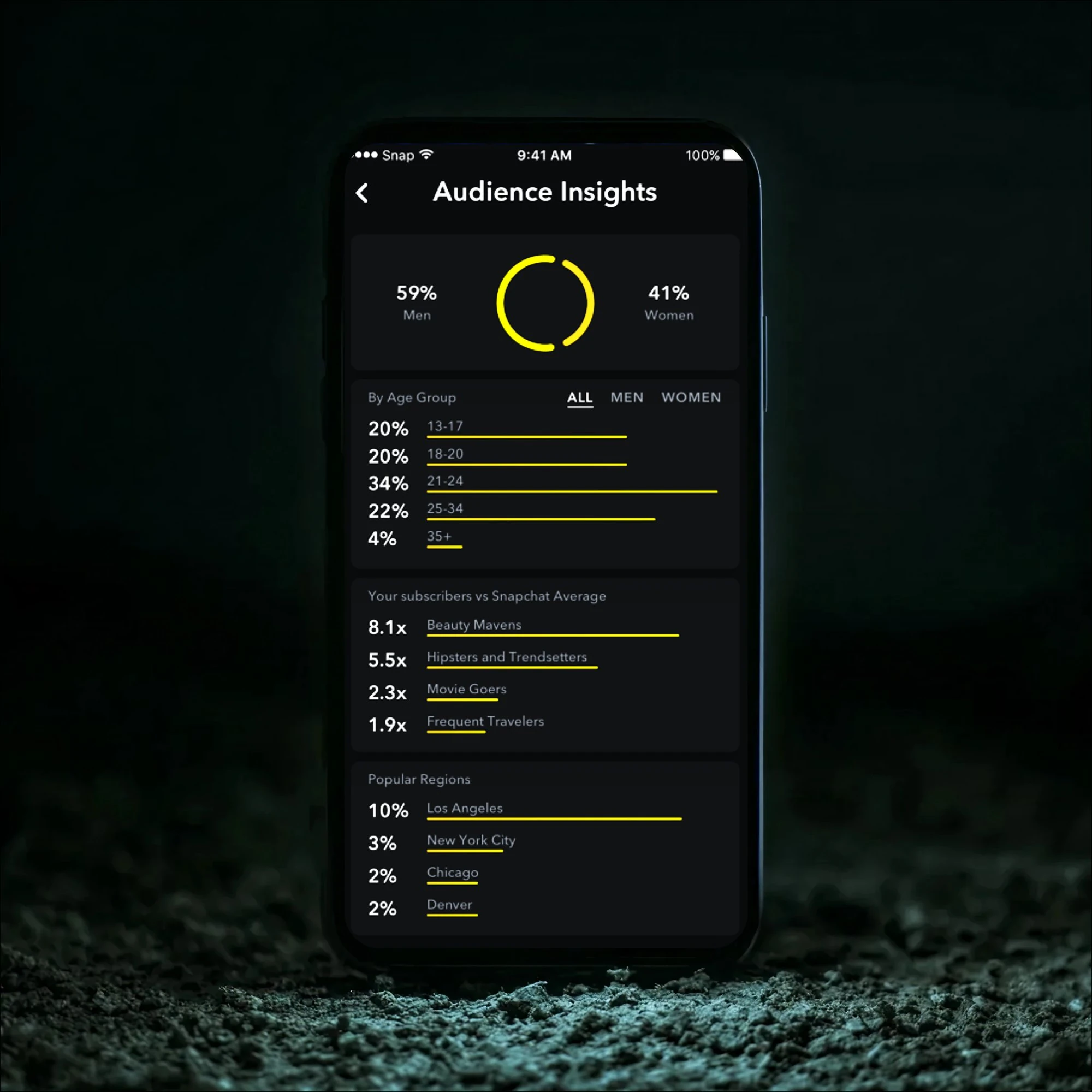
Snapchat provides two native analytics tools to its 900 million users: Snapchat Insights for organic content and Ads Manager for paid campaigns.
They’re useful for optimizing creative and delivery. They are not revenue attribution tools.
Snapchat analytics answer what performs on Snapchat.
They do not answer what closes deals.
Snapchat Insights (Organic Performance)
Snapchat Insights measures how your organic Stories and profile content perform inside the app.
What it’s good for
- Story performance: Views, completion rates, screenshots, shares, replies
- Audience data: Age, gender, location, interests
- Follower growth: What content drives follows or drop-off
- Engagement timing: Best days and times to post
What it can’t do
- Track website visits
- Tie engagement to form fills
- Prove revenue impact
You can see that 50,000 people viewed a Story. You can’t see whether any of them became customers.
Snapchat Ads Manager (Paid Campaign Performance)
Ads Manager shows how your paid Snapchat ads perform from impression to swipe-up.
What it’s good for
- Spend & delivery: Budget pacing, CPMs, reach, frequency
- Audience performance: Which targeting segments engage most efficiently
- Placement insights: Stories vs Shows vs Camera
- Creative testing: Which ads drive the most swipe-ups or completions
Key engagement metrics
- Impressions & reach
- Swipe-ups (Snapchat’s primary action)
- Video completion rates
- Cost per swipe-up
This data is excellent for optimizing ads.
It still doesn’t tell you which campaigns drive revenue.
Where to Access Snapchat Analytics (Quick Reference)
Organic
- Snapchat app → Profile → Menu → Insights
- Or via business.snapchat.com → Content dashboard
Paid
- ads.snapchat.com → Ads Manager
- Campaign, ad set, and ad-level reporting
- Events Manager (if Snap Pixel is installed)
- CSV exports available for all reports
How to Analyze Snapchat Ads Performance
Raw metrics don't mean much without context. With Snapchat users opening the app over 30 times a day, you need to be granular with your performance analysis to stay engaged with your audience.
Here's what to actually look for when evaluating your Snapchat ad campaign performance.
Quick Performance Reference
| Metric | What It Tells You | What It Doesn’t |
|---|---|---|
| Swipe-Up Rate | Whether creative triggers action | Whether that action converts |
| Cost per Swipe-Up | Traffic efficiency | Revenue impact |
| Completion Rate | Creative attention | Purchase intent |
| Frequency | Audience saturation | Incremental lift |
| Pixel Events | On-site behavior | Full-funnel attribution |
1. Swipe-Up Rate = Creative Signal
What to watch:
- ~0.5–1% = average
- 1–2% = good
- 2%+ = strong
How to interpret it:
- Low rate → creative or hook problem
- High rate + low conversions → landing page problem
Swipe-ups tell you interest, not value.
2. Cost per Swipe-Up = Traffic Efficiency
What to watch: trends, not absolutes.
- Rising costs → saturation or creative fatigue
- Falling costs → better targeting + algorithm learning
Compare audiences against each other. Shift budget to efficiency, not vanity scale.
3. Completion Rate = Attention Quality
Snapchat decisions happen in under 2 seconds.
- Strong first frame matters more than headline copy
- Test different creative angles, not small wording changes
Completion ≠ intent, but it tells you what earns attention.
4. Frequency = Saturation Risk
Rule of thumb:
- 3–4+ frequency → diminishing returns
Symptoms:
- Costs increase
- Engagement drops
- Performance stalls
Fix with creative rotation or audience expansion, not more spend.
5. Pixel Events = Partial Truth
Snap Pixel shows post-swipe behavior:
- Page views
- Add-to-carts
- Purchases
Useful for CPA math. Not enough for attribution.
Most conversions still happen later, elsewhere, and get credited to another channel.
Snapchat analytics answer:
“Which ads perform on Snapchat?”
They do not answer:
“Which campaigns drive revenue?”
That gap isn’t a reporting flaw, it’s an attribution problem.
3 Tracking Gaps Snapchat Analytics Can't Solve
Snapchat's native analytics excel at measuring what happens on Snapchat. They struggle with everything that happens after someone leaves the platform.
These gaps aren’t configuration mistakes. They’re structural limits of platform analytics.

1. The CRM Disconnect
Snapchat sees engagement. Your CRM sees closed deals.
They don’t automatically connect.
Result: deals close, Snapchat gets zero revenue credit.
2. The Source Overwrite Problem
Initial Snapchat click → no conversion → later direct visit → form fill.
Your CRM records “Direct”. Snapchat disappears from the record.
This is standard behavior, not user error.
3. The Multi-Touch Reality
Buyers interact with multiple channels before converting.
Snapchat says it drove the conversion.Instagram says it did. Google says it did.
Without persistent attribution, everyone is wrong.
Bottom line: Snapchat analytics are necessary for optimization. They are structurally incapable of proving revenue.
That’s not a Snapchat problem.
It’s an attribution problem.
How Snapchat Campaign Tracking Proves ROI
This is the only way Snapchat survives a quarterly revenue review.
Before you abandon Snapchat's native analytics, keep reading. Those metrics remain valuable for creative optimization and audience targeting. The solution is building a bridge between Snapchat engagement and your revenue systems.
This requires campaign tracking parameters (UTM codes) that travel with your traffic and persist through multi-touch journeys.
What Snapchat Campaign Tracking Actually Does
When someone swipes up on your Snapchat ad, they're clicking a link. That link goes to your landing page. Snapchat campaign tracking adds identifiers to that link showing exactly where the traffic came from.
Instead of:
yoursite.com/offer
You use:
yoursite.com/offer?utm_source=snapchat&utm_medium=paid-social&utm_campaign=spring-2026&utm_content=video-ad-v2
Those parameters after the question mark are tracking codes. They tell your analytics system: "This visitor came from Snapchat, specifically from our paid social campaign, specifically from the Spring 2026 campaign, specifically from video ad version 2."
When the person fills out a form on your landing page, those tracking parameters can automatically flow into hidden form fields and sync to your CRM alongside their contact information.
Now your CRM shows this lead originated from "Snapchat - Spring 2026 Campaign - Video Ad V2" instead of generic "Website Form."
This is the moment Snapchat becomes defensible.

With proper attribution tools, Snapchat campaign tracking data flows directly into your CRM records. Your quarterly reports show actual revenue attributed to Snapchat, not just pixel conversion events.
Tools like Trakt handle everything automatically. You create tracking links through a standardized builder that enforces consistent naming. When prospects land on your site, Trakt captures and stores their campaign source. When they fill out forms, Trakt automatically injects the attribution data. The clean data flows directly into your CRM without manual work or spreadsheet exports.
Snapchat doesn’t need better ads. It needs attribution that survives reality.
Start tracking Snapchat campaigns beyond swipe-ups.